Mass Deportations Are Wrong For New York Farms & Communities
Mass deportations would threaten New York farms and rural communities, putting at risk the immigrant workers who help to sustain agriculture, local economies, and the state’s food system.

Mass deportations would threaten New York farms and rural communities, putting at risk the immigrant workers who help to sustain agriculture, local economies, and the state’s food system.

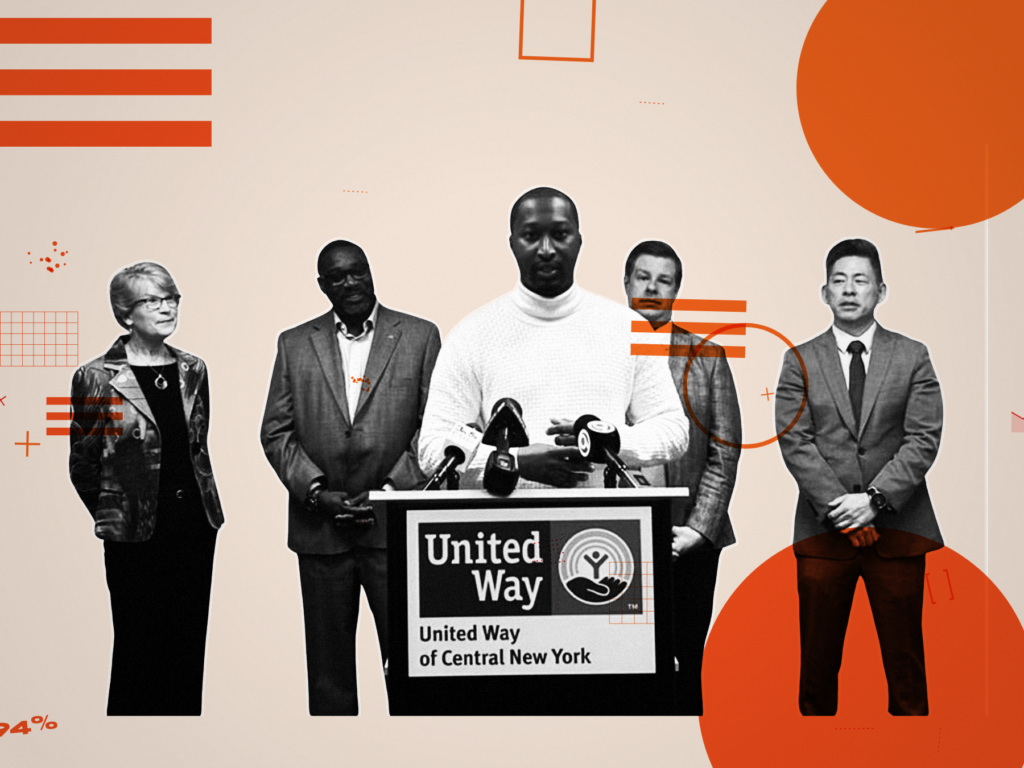
Drawing on lessons from the Ellis Island Initiative, this analysis explores how business, labor, and community leaders can help broaden support for immigration through pragmatic solutions, trusted local voices, and…

Immigrants contribute billions in federal, state and local taxes- including to programs like Social Security and Medicare- yet many remain excluded from the very benefits their contributions help sustain.

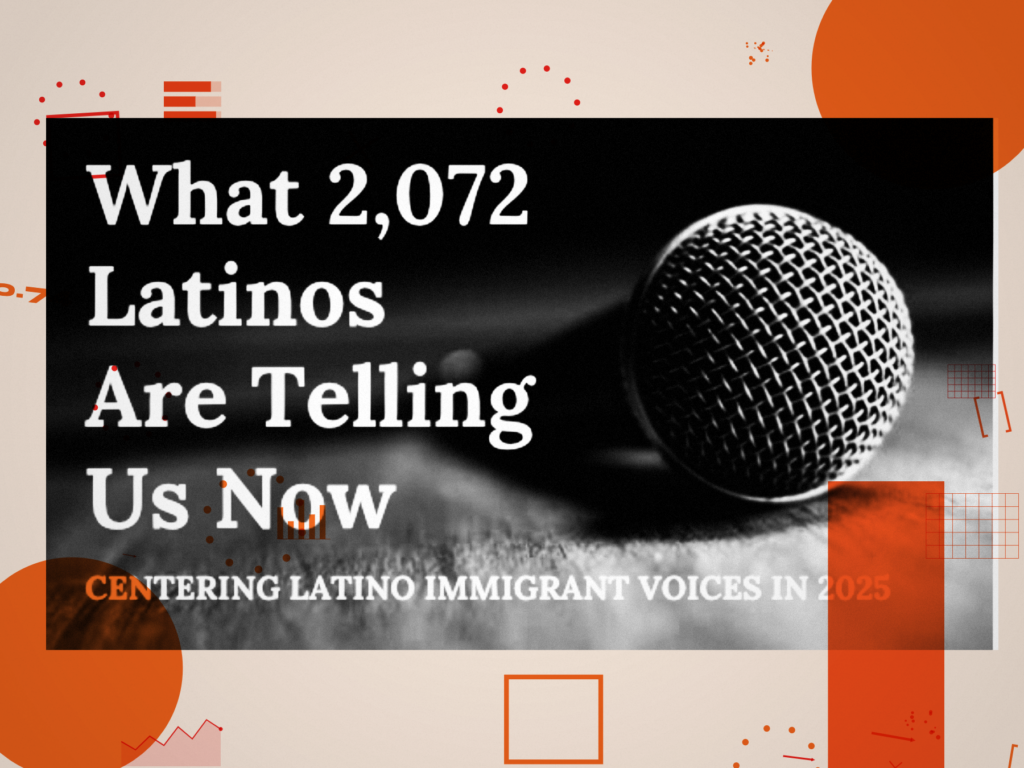
Spanish-speaking immigrants across the United States describe how the current deportation climate is reshaping daily life- fueling fear, disrupting work and family routines, while also revealing resilience, solidarity, and a…

This data snapshot analyzes the vital economic contributions of immigrant entrepreneurs on Main Street, highlighting how they help local communities thrive while also highlighting disparities in business ownership faced by…

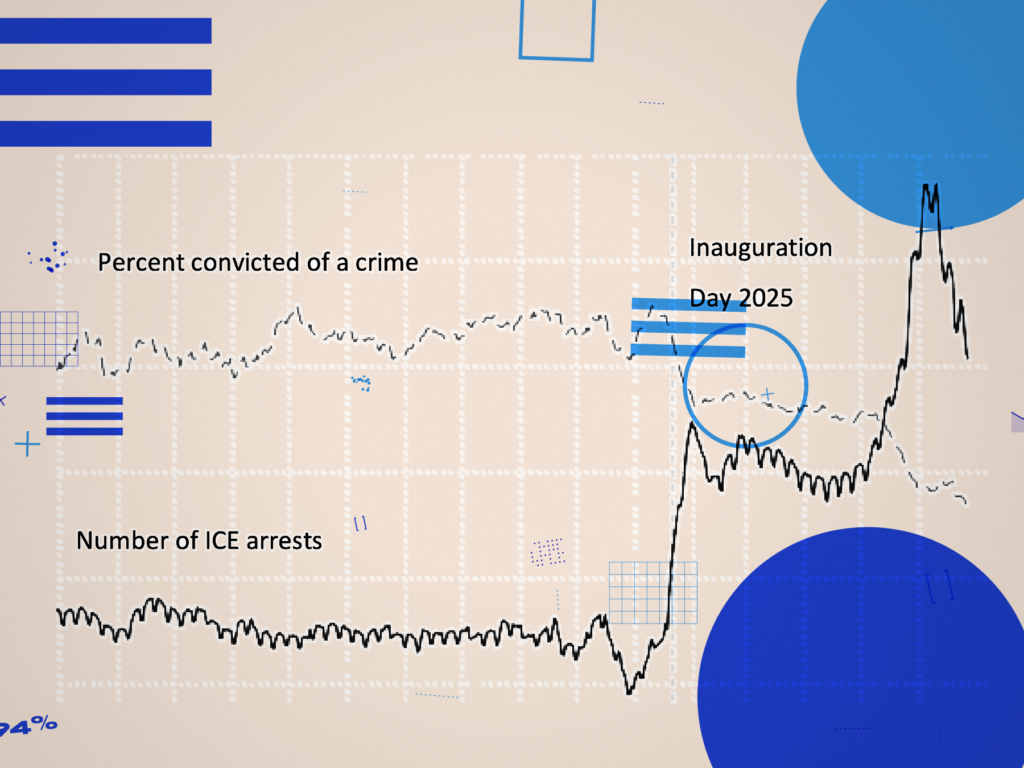
A state-by-state analysis highlighting the economic, fiscal, and community impacts of mass deportation- including impacts on jobs, industries, tax revenues, and immigrant families.

An analysis of New York’s proposed Working Families Tax Credit showing how a permanent, expanded tax credit could reduce child poverty, support low- and middle-income families, and provide broader benefits…

A data-driven analysis showing how the proposed Working Families Tax Credit would provide a larger, more permanent, and more inclusive financial benefit for New York families than the temporary expansion…

A spotlight on women street vendors in New York City, highlighting their contributions as entrepreneurs while examining the licensing and policy barriers that disproportionately impact women vendors.

A data-driven look at how immigrants contribute across various levels of the U.S. economy while still facing persistent barriers tied to race, generation, immigration status, and access to opportunity.